Anúncios
Modern teams need clear systems to keep work moving and avoid missed messages. Smart collaboration tools bring people, projects, and progress into one view. This reduces confusion and speeds up decisions.
Companies use centralized platforms to keep teams together across time zones. With over 38 million active Slack users worldwide, a single app can cut down on lost messages and duplicate work.
Leaders choose a dependable collaboration tool and software that link tasks, documents, chat, and data. Good features support simple management of projects and workflows. Teams see clear task ownership and real-time progress.
اہم نکات: A unified platform reduces miscommunication. Centralized tools help teams manage tasks and documents. Visible workflows boost efficiency and accountability.
Understanding the Role of Collaboration Dashboard Tech
A clear visual hub helps teams spot priorities fast and keeps everyone aligned. Teams use these interfaces to turn scattered updates into measurable progress. This improves day-to-day management and reduces wasted time.
Anúncios
Defining the Tech
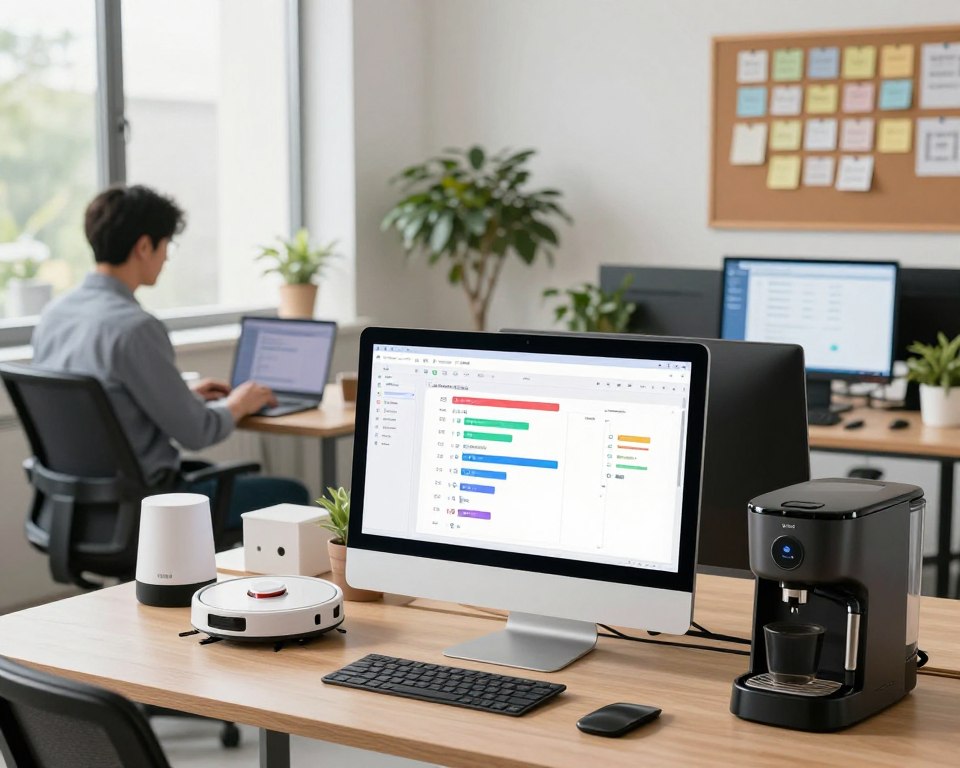
Collaboration dashboard tech is the interface where users view tasks, metrics, and status in one place. It ties together chat, documents, and data so a user can find context without switching apps.
Benefits of Centralization
Centralizing information on a single platform offers clear gains:
- Real-time visibility into project progress and key metrics.
- Less context switching between apps and fewer missed updates.
- Better task ownership so teams know who owns what.
- Evaluation based on G2-style feedback helps pick tools with strong features and high user satisfaction.
مختصر میں: the right collaboration tool gives users a visual map of workflows, boosts team collaboration, and speeds decision-making.
Anúncios
Why Modern Teams Struggle with Communication
Messages, files, and task notes scattered across apps make it hard for a team to move projects forward. Information sits in email, chat, and file storage. That split creates slow searches and missed context.
Many organizations juggle multiple platforms and boards. Critical data hides in chat or buried in documents. Teams waste time rebuilding context and chasing lost updates.
Version control issues are common when users edit different copies of the same file. Without a standard collaboration tool or templates, teams risk working on outdated drafts.
Centralizing conversations and task lists reduces mistakes and keeps everyone on the same page.
Good management means a shared view of tasks and progress. A reliable collaboration tools setup gives users a single place to see project status, assign task ownership, and track workflows. That clarity cuts errors and saves time.
Core Features to Look for in Collaboration Software
A reliable project management platform should protect data and connect to the apps your team relies on. Prioritize features like secure file sharing, clear task management, and automation capabilities that save time.
Security Standards
Look for enterprise-grade safeguards:
- End-to-end encryption for documents and chat to protect sensitive project data.
- Role-based access controls so users see only what they need.
- Audit logs and compliance certifications to meet industry rules.
Integration Capabilities
A good collaboration tool links workflows across apps and boards. Seamless sync keeps documents, chat, and task lists consistent so teams avoid duplicate work.
- Prebuilt connectors for calendars, file sharing, and reporting tools.
- API access and templates to match your existing workflow.
- Automation capabilities that route tasks and update progress without manual steps.
ٹپ: Choose software that balances security with flexible integrations to protect data and speed up work.
Real-Time Communication Platforms for Distributed Teams
Real-time messaging and video services bridge distance and keep project momentum steady. Remote users get updates instantly, so fewer issues stall work and tasks move forward.
جیسے اوزار Slack and Microsoft Teams let users share files, start live chat, and launch quick video calls. These features like screen sharing and inline file preview help teams resolve blockers fast.
- Share files and update documents in a single place to cut duplicate versions.
- Use live chat and video for fast decisions and fewer email threads.
- Mix synchronous and asynchronous work so users across time zones stay aligned.
Creating a virtual office with an easy-to-use platform helps teams see progress and act on project needs quickly.
Effective team collaboration depends on access to documents, clear task ownership, and visible progress. The right collaboration tool and software ties chat, data, and boards together so teams spend less time hunting for context and more time delivering results.
Project Management Tools for Visual Task Tracking
Visual trackers like Kanban lanes and timeline charts make complex plans easy to scan at a glance.
Project management platforms that combine kanban boards and Gantt views give teams a clear picture of work and deadlines. Managers can assign tasks to specific users so every role is visible.
Kanban and Gantt Visualization
Kanban boards let users move cards with a drag-and-drop interface. This simple action updates status, shifts priorities, and can trigger automation.
Gantt charts show timelines and dependencies. Use them to spot conflicts, adjust schedules, and track progress across multiple projects.
- Assign tasks: Clear ownership reduces overlap and speeds handoffs.
- File sharing: Attach documents to milestones so context stays with work items.
- Real-time updates: Teams see changes immediately, so fewer status meetings are needed.
Effective project management blends visual tracking with documentation. Choose a tool that supports both so stakeholders stay informed and work moves forward.
Cloud-Based Solutions for Document Co-Editing
Cloud services let multiple users edit the same file at once, so teams always work from the latest draft.
Real-time co-editing keeps the current version in one place and reduces messy version control. Users see edits as they happen, so feedback cycles are faster and fewer changes get lost.
Secure cloud platforms let users share files without long email chains. This speeds up reviews and helps the project team finalize deliverables more quickly.
The best collaboration tools include features like inline comments, templates, and access controls. These features improve content quality and keep work aligned across remote locations.
“When everyone edits together, the project moves faster and decisions stay clear.”
- Simultaneous editing keeps users on the same page.
- Built-in version control prevents conflicting drafts.
- Secure sharing supports distributed project management.
Leveraging Business Intelligence Dashboards for Data Sharing
BI dashboards give every team a single view of key metrics so decisions happen faster.
One central platform for data turns scattered reports into clear signals. When users see the same numbers, project management improves and teams act on facts rather than guesses.
Shareable, visual reports let a team spot trends in حقیقی وقت. That means potential issues can be flagged before they slow project progress.
Good dashboards are designed for quick interpretation. Intuitive charts and filters help users turn raw data into decisions without long meetings.
“A single source of truth keeps departments aligned and reduces rework.”
- Provide one place for metrics so every user references identical data.
- Enable secure sharing to support cross-functional work and consistent communication.
- Include role-based views so teams see the features and tasks that matter to them.
نتیجہ: teams spend less time hunting reports and more time moving projects forward with accurate, up-to-date information.
How Shareable Dashboards Boost Team Productivity
A single, shared view of work turns scattered updates into clear next steps for every user. That visibility makes it easier for people to see priorities and act quickly.
Shareable dashboards make tracking progress simple. Research shows using a collaboration tool can increase team productivity by 47 percent.
When key metrics and tasks are available in real time, teams stop waiting for status calls. This reduces routine meetings and eases meeting fatigue.
Reducing Meeting Fatigue
Instant access to metrics means fewer standups and shorter status check-ins. Users can scan the view, decide what needs work, and move on.
- Fewer routine meetings: Status is visible, not repeated in calls.
- Faster decisions: Teams resolve blockers without long coordination.
- Clear task ownership: Users know what to do next and who to ask.
Improving Metric Tracking
Good visual platforms let employees monitor performance and prioritize tasks. This improves task management and project management across teams.
- Real time data helps teams adjust strategies as projects evolve.
- Stakeholders share the same figures, which keeps communication tight and aligned.
- Built-in features like filters and templates make it easy to track progress.
“Shareable views ensure all users stay on the same page, so work moves faster.”
Overcoming Data Silos with Unified Platforms
Data locked in separate systems slows decisions and drains team energy.
54% of companies name data silos as their top obstacle, according to a survey by ARM and Treasure Data. A unified platform solves that by giving teams one place for project data, documents, and task management tools.
When all users access shared Kanban boards and centralized file sharing, teams get consistent context. This reduces duplicate work and speeds up project management.
- Better version control so users work on the latest documents.
- Clear task management and assignment to track progress and task ownership.
- Faster communication and fewer interruptions because content and chat live together.
“Effective collaboration depends on accessible data across departments.”
For more on integrating separate sources, read this guide on overcoming data silos. Implementing the right tool and templates helps teams keep workflows smooth and projects moving on time.
Best Practices for Designing Intuitive Dashboards
Start with clear priorities so users spot critical metrics at a glance. Keep the most important project and task indicators front and center.
Limit visual clutter. Show only a few metrics per view to help teams focus. Too many charts slow decision-making and waste time.
Design for consistent version control so every user sees the latest documents and data. That prevents duplicate work and keeps projects moving.
Gather user feedback and iterate fast. Small changes driven by actual users improve workflows, communication, and buy-in.
- Top priorities and next tasks.
- Progress indicators for active projects.
- Recent comments or chat links for quick context.
- Access to key documents and templates.
“A well-designed view aligns teams and reduces friction so work gets done faster.”
Integrating AI to Streamline Workflow Automation
AI embedded in everyday tools can turn long message threads into crisp action items. This reduces manual steps and helps teams focus on high-value project work.
AI-powered summarization pulls key points from chat, meeting notes, and documents. Users get short briefs that highlight tasks, owners, and deadlines in real time.
Summarizing Conversations with AI
Features like automatic summaries and smart highlights make easy for a team to catch up fast. Missed discussions no longer block progress.
Automation capabilities can assign tasks, update boards, and fill templates from parsed content. This frees users from repetitive data entry and speeds up work.
- Quick briefs: Short summaries show next steps and owners.
- Automated routing: AI sends tasks to the right user or team based on content.
- Improved management: Faster updates mean clearer progress and fewer status meetings.
“AI summaries help everyone stay informed so projects move forward without constant context switching.”
Modern software platforms now include these features to improve communication and reduce wasted time. That makes it easier for organizations to scale collaboration while keeping quality high.
Selecting the Right Platform for Your Business Size
Start by mapping what your users need most, then choose a platform that fills those gaps without adding noise.
Small teams benefit from lightweight project management apps that make task management simple. Tools like Trello and other kanban boards help teams assign tasks, track daily progress, and keep work visible without steep onboarding.
Larger organizations need a more robust collaboration tool that supports complex workflows, integrates with existing software, and secures company data. Look for features that scale, such as role-based access, templates, and automation.
When evaluating options, test how the platform handles real projects. Check how easy it is for users to communicate, update progress, and attach documents. Prioritize software that matches your team’s technical skill and communication style.
ٹپ: Choose a management platform that solves current problems and grows with your teams to avoid costly migrations later.
- Match features to team size and goals.
- Trial workflows with real users before committing.
- Prioritize ease of use to speed adoption and save time.
Strategies for Maintaining Data Governance
A simple governance plan defines who can read, edit, or share project content across an organization. Start by listing which documents and data sets are sensitive and why. That list guides access rules and retention policies.
Set clear access policies so every user knows who may view or change files. Use role-based permissions on your platform to enforce those rules and keep version control strict.
Schedule regular audits of user permissions. Audits catch stale accounts and reduce risks from unused logins. They also ensure teams have the right access to finish tasks fast.
- Define document classes and label sensitive content.
- Limit edit rights to a few trusted users to protect versions.
- Automate permission reviews and log changes for compliance.
Balance security with open communication so work and progress stay visible. Use templates and controlled sharing links to speed reviews while protecting records.
“A robust data governance framework protects assets and keeps teams productive.”
The Impact of Visual Aids on Team Alignment
A shared visual map of goals makes it faster for teams to align and move forward. Visual aids give every user a common view of project targets and customer needs. This clarity helps people decide what to do next without lengthy explanations.
With 66% of customers expecting personalized experiences, deep team alignment matters more than ever. One central view that highlights key metrics keeps work focused on outcomes that matter to customers.
Visual content turns complex plans into clear tasks. Charts, status cards, and annotated boards make priorities obvious. Teams reduce rework and speed delivery when everyone sees the same information.
- Bring teams together: Visuals create a shared understanding of goals and expectations.
- Focus on metrics: One central display keeps attention on the measures that drive success.
- Cut misalignment: Visual communication reduces confusion across users and roles.
“Prioritizing visual communication ensures every team member works toward the same objectives.”
Future Trends in Digital Collaboration
Platforms will weave together communication, documents, and analytics so teams can run large projects without losing context.
Expect platforms to become more integrated, letting teams manage complex project workflows from a single place. This reduces app switching and speeds decision-making.
Advanced management features will grow to support remote and hybrid work. Look for better permission controls, automated routing, and timeline-aware alerts.
AI-driven tools will predict project risks, highlight bottlenecks, and suggest optimizations in real time. That makes management more proactive and less reactive.
Personalized user experiences will tailor views and notifications to each role. Teams get the right details at the right time, improving focus and reducing noise.
- Integrated platform views keep project context intact.
- AI risk detection improves schedule and budget management.
- Role-aware features deliver faster, clearer work for users.
نتیجہ: Organizations that invest in future-ready tools will better manage projects and stay competitive.
نتیجہ
When priorities are visible, people spend less time guessing and more time delivering. A shared view of tasks and metrics helps teams act fast and avoid repeated work.
Centralizing information brings documents, status, and messages into one place. That reduces miscommunication and speeds smarter decisions.
Implementing the right software breaks data silos, supports transparency, and creates clear ownership. Staying current with best practices and newer tools keeps productivity high.
نیچے لائن: invest in a simple, reliable system so everyone has the facts they need to succeed. Clear signals, fewer errors, and faster outcomes follow.